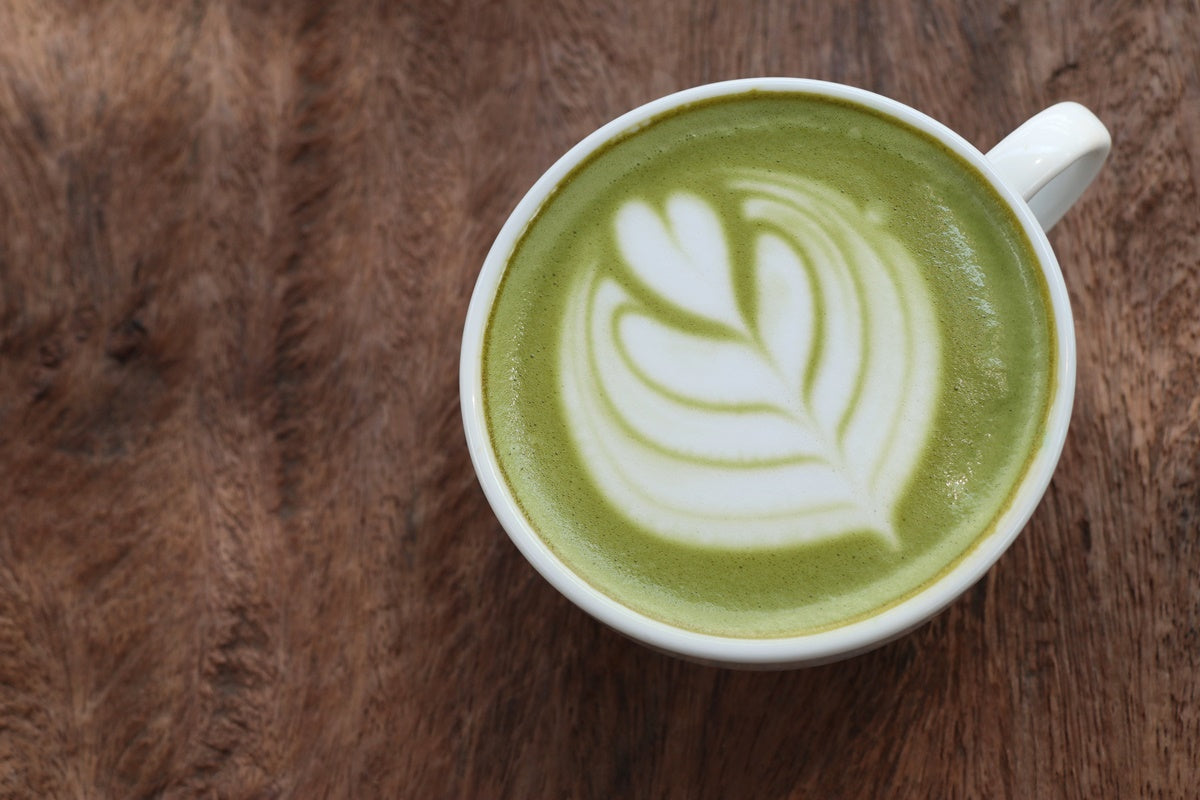
Matcha vs. Coffee: The Healthier Way to Sustain Your Energy
We’ve all been there: that inevitable afternoon slump hits, and the promise of another coffee feels less like a boost and more like a gamble on impending jitters and a subsequent crash. What if there was a better way to fuel your day, a vibrant, ancient elixir that offered sustained energy, mental clarity, and a wealth of health benefits without the downsides? Enter matcha, the verdant green tea that’s rapidly transforming morning rituals and afternoon pick-me-ups.
Once a revered component of Japan’s ancient tea ceremonies, matcha has gracefully transitioned into a modern-day superfood, celebrated in cafés and homes worldwide. Unlike its more common green tea cousins, matcha is made from the entire tea leaf, meticulously ground into a fine powder. This unique preparation means you consume the whole leaf, unlocking a concentrated dose of antioxidants and that characteristic, stunning emerald hue. Beyond its visual appeal, matcha delivers a smooth, earthy, and subtly sweet flavor profile that, for many, becomes an irresistible daily indulgence. More importantly, it offers a distinct energy experience – one that empowers you without the edge, making it an increasingly popular alternative for those seeking a healthier, more balanced way to sustain their vitality.
The Rise of Matcha: More Than Just a Drink
The journey of matcha began centuries ago in Japan, where it was integral to Zen Buddhist practices, used by monks to maintain focus and calm during long meditations. This rich history imbues every sip with a sense of tradition and mindfulness. What sets matcha apart fundamentally is its cultivation and processing. Tencha leaves, destined to become matcha, are shade-grown for several weeks before harvest. This process boosts chlorophyll production, intensifying its vibrant green color and enhancing its amino acid content, particularly L-theanine.
Once harvested, the leaves are destemmed and deveined before being stone-ground into a silky-fine powder. This method ensures that when you drink matcha, you're ingesting the complete nutritional profile of the tea leaf, including a powerhouse of antioxidants known as catechins, most notably EGCG (epigallocatechin gallate). These compounds are far more concentrated in matcha than in regularly steeped green tea, making it a potent ally against oxidative stress and inflammation. It's this concentrated nutrient density, coupled with its unique energy-sustaining properties, that has propelled matcha from an ancient ritual to a modern wellness staple, revered for its ability to provide focus, calmness, and a gentle energy lift.
Matcha vs. Coffee: A Head-to-Head Health Battle
When it comes to daily energy, coffee has long been the reigning champion. However, a closer look at its effects compared to matcha reveals why many are making the switch to the green side.
- Caffeine Content & Effects: Coffee typically delivers a higher and faster hit of caffeine, often leading to a sudden surge of energy followed by an equally abrupt crash, accompanied by potential jitters, anxiety, and a restless feeling. Matcha, while still containing caffeine, offers a different experience. Its caffeine content is generally lower, but critically, it's balanced by the high levels of L-theanine. This amino acid promotes alpha brain waves, inducing a state of calm alertness without drowsiness. The L-theanine also slows the absorption of caffeine, providing a sustained, gentle energy release over several hours, free from the dreaded jitters or crash. It’s the perfect companion for long, busy days where consistent focus is key.
- Antioxidants & Health Benefits: Both coffee and matcha contain beneficial antioxidants, but matcha boasts a significantly higher concentration, particularly of EGCG. These potent antioxidants are renowned for their anti-inflammatory properties, their role in supporting cellular health, and their potential to boost metabolism. While coffee offers its own set of health advantages, matcha’s unique processing makes its antioxidant profile particularly robust, offering a comprehensive wellness boost with every cup.
- Taste Profile: Coffee's flavor is typically bold, often bitter, and can be quite acidic, especially with certain roasts or brewing methods. Matcha, on the other hand, offers a nuanced, earthy taste with notes of umami and a subtle sweetness. Its creamy texture, especially when prepared as a latte, provides a soothing and often more palatable experience for those sensitive to coffee's intensity.
- Digestive Impact: For some individuals, coffee’s acidity can lead to digestive discomfort or an upset stomach. Matcha is generally gentler on the digestive system, and its alkaline properties can be a welcome relief for those prone to acidity.
Ultimately, the choice comes down to personal preference and what your body responds to best. However, for those seeking a cleaner, more sustained energy without the common side effects of coffee, matcha presents a compelling and healthier alternative.
Mastering the Art of the Matcha Latte at Home: Your Jitter-Free Energy Boost
You don't need to visit an expensive café to enjoy a luxurious, energy-boosting matcha latte. Creating this creamy indulgence at home is surprisingly simple, cost-effective, and deeply satisfying. This section will guide you through the process, ensuring you can consistently craft a perfect matcha green tea latte.
Essential Ingredients & Equipment:
Before you begin, gather your essentials:
- Matcha Powder: Quality is paramount for a truly exceptional latte. Avoid dark, murky green, or brownish matcha, which often indicates lower quality. Instead, look for bright, vibrant emerald green powder, typically labeled "ceremonial grade." While a higher price tag often correlates with better quality, you can find excellent options around the $30 per tin mark.
- Water: Filtered water is best. The ideal temperature is crucial for extracting matcha's flavor without burning it: 175°F-185°F (80°C-85°C).
- Milk: Your choice dramatically impacts the latte's creaminess. Oat milk is a popular favorite for its rich, frothy texture, but almond, soy, coconut, or even regular dairy milk work beautifully.
- Sweetener (Optional): Customize to your taste. Liquid sweeteners like maple syrup, agave nectar, or honey (if not vegan) dissolve easily. If using granulated sugar, ensure it fully dissolves in the hot matcha mixture.
And for equipment:
- Matcha Bowl (Chawan): A wide, flat-bottomed bowl designed for whisking.
- Bamboo Whisk (Chasen): Essential for achieving that signature frothy texture and breaking down clumps.
- Tea Strainer or Sifter: To ensure a lump-free matcha powder.
- Milk Frother: A small handheld frother is a game-changer for achieving café-quality foam, available for just a few dollars.
For a quick reference guide and printable version, check out our Easy Matcha Latte Recipe: Your Jitter-Free Energy Boost at Home.
Step-by-Step Guide: How to Make Matcha Green Tea Latte
Follow these steps to craft your perfect matcha latte:
- Sift Your Matcha: Measure ½ to 1 teaspoon of ceremonial grade matcha powder. Using a tea strainer or fine-mesh sifter, sift the matcha directly into your matcha bowl. This critical step eliminates any clumps, ensuring a smooth, grit-free latte.
- Add Hot Water: Pour ¼ cup of hot water (heated to 175°F-185°F) over the sifted matcha powder.
- Whisk for Froth: Using your bamboo whisk, gently combine the water and matcha until a smooth paste forms. Then, whisk rapidly in a "W" or "M" pattern, focusing on the surface, until a light layer of foam or small bubbles appears. This vigorous whisking helps dissolve the matcha and aerate the mixture.
- Allow to Bloom (Optional but Recommended): Let the whisked matcha mixture sit for 1-2 minutes. This "blooming" process allows the matcha powder to fully hydrate, intensifying its color and deepening its flavor. After blooming, whisk rapidly once more to break up any remaining tiny clumps and ensure maximum smoothness.
- Prepare Your Milk: While your matcha is blooming, gently heat 1 cup of your chosen milk on the stovetop or in the microwave until warm (not boiling). If using a frother, froth the milk until it reaches your desired consistency – light and airy for a classic latte, or thicker for extra creaminess.
- Combine & Sweeten: Carefully pour the frothed milk over your prepared matcha mixture in the bowl or into your serving mug. Add your preferred sweetener, stirring gently until fully incorporated. Taste and adjust sweetness as needed.
Voila! You now have a beautiful, healthful, and energizing matcha latte ready to enjoy.
Tips for the Perfect Matcha Experience
- Invest in Quality: As mentioned, the brighter the green, the better the quality. Good matcha yields a superior flavor and a more potent health boost.
- Water Temperature is Key: Too hot, and you risk burning the delicate matcha, resulting in a bitter taste. Too cold, and it won't dissolve properly.
- Whisking Technique: Don't just stir; whisk! The "W" or "M" motion with a bamboo whisk (chasen) is crucial for creating that sought-after froth and ensuring a lump-free base.
- Milk Matters: Experiment with different plant-based milks. Oat milk often wins for its natural creaminess and ability to froth beautifully, but find what works best for your palate.
- Sweetener Savvy: Start with a small amount of sweetener and add more to taste. Sometimes, the natural sweetness of quality matcha and a creamy milk can be enough.
- Consider Iced: For a refreshing summer treat, simply pour your whisked matcha over ice, then top with cold frothed milk.
To elevate your home barista skills even further, explore our Crafting the Perfect Matcha Latte: Pro Tips for Café Quality.
Conclusion
In the quest for sustained energy and holistic well-being, matcha emerges as a powerful contender against traditional coffee. Its unique blend of calming L-theanine and gentle caffeine offers a focused, jitter-free boost, while its exceptional antioxidant profile supports overall health. By learning how to make matcha green tea latte at home, you unlock a delicious, customizable, and healthier way to energize your day, proving that sometimes, the most ancient traditions offer the freshest paths to modern vitality.
