Tired of the midday slump, yet wary of coffee's jitters? Enter the vibrant, energizing, and utterly delicious matcha green tea latte. This isn't just a trendy drink; it's a centuries-old tradition reimagined as your perfect energy companion. Originating from Japan's ancient tea ceremonies, matcha has seamlessly transitioned into a modern café staple, beloved for its sustained energy, rich antioxidants, and captivating earthy-sweet flavor profile.
The good news? You absolutely don't need to splurge at an expensive coffee shop to savor this creamy indulgence. With a few simple ingredients and techniques, you can master how to make a matcha green tea latte that rivals, or even surpasses, your favorite barista's creation. Prepare to unlock a world of calm focus and delightful flavor, all from the comfort of your kitchen.
Why Crafting Your Own Matcha Latte is a Game-Changer
Matcha isn't just another green tea. It's an experience, a ritual, and a powerhouse of health benefits. Unlike traditional green tea, where leaves are steeped and then discarded, matcha involves consuming the entire tea leaf, ground into a fine, vibrant powder. This unique preparation method means you're ingesting a concentrated dose of nutrients, delivering an unparalleled boost of antioxidants and a stunning emerald hue.
Many turn to matcha as a superior alternative to coffee. While both provide a caffeine kick, matcha's energy release is distinctly different. Thanks to the presence of L-Theanine, an amino acid unique to tea, matcha provides a state of "calm alertness." This means you get sustained energy and enhanced focus without the dreaded jitters, anxiety, or post-caffeine crash often associated with coffee. This makes it an ideal choice for busy mornings or when you need steady concentration throughout the day. For a deeper dive into their comparative benefits, explore Matcha vs. Coffee: The Healthier Way to Sustain Your Energy.
Beyond the energy, matcha is renowned for its high concentration of catechins, particularly EGCG (epigallocatechin gallate), a potent antioxidant that supports metabolism, boosts immunity, and promotes overall well-being. By learning how to make a matcha green tea latte at home, you're not just making a drink; you're investing in your health and well-being, one delicious sip at a time.
The Core Ingredients & Essential Tools for Café-Quality Matcha
Creating an exceptional matcha latte starts with understanding your ingredients and having the right equipment. Don't worry; it's simpler than you might think!
Choosing Your Matcha: Quality Matters
The foundation of any great matcha latte is, naturally, the matcha itself. Not all matcha is created equal. When selecting your powder, look for:
- Vibrant Green Color: High-quality ceremonial grade matcha should be a brilliant, almost luminous emerald green. Avoid dull, brownish, or murky green powders, which indicate lower quality and often a bitter taste.
- Fine Texture: The powder should be incredibly fine and silky to the touch, without any grittiness.
- "Ceremonial Grade": While culinary grade matcha is fine for baking, for a premium latte, opt for ceremonial grade. This ensures a smoother, sweeter, and less astringent flavor profile. Expect to pay a bit more (often $25-$40+ per tin), but the investment is well worth it for the superior taste and experience.
Milk & Sweetener: Customizing Your Creamy Delight
The beauty of a homemade matcha latte lies in its customizability:
- Milk: For a truly creamy, frothy texture, oat milk is a fantastic dairy-free option that many baristas swear by. Its natural sweetness and richness complement matcha beautifully. However, feel free to use your preferred milk – almond milk, soy milk, rice milk, or even traditional dairy milk will work perfectly. Experiment to find your favorite!
- Sweetener: Maple syrup is a popular choice for its subtle caramel notes and liquid consistency, making it easy to blend. Other liquid sweeteners like agave nectar or honey (if not strictly vegan) are excellent alternatives. If you prefer granulated sugar, ensure it dissolves completely in the hot matcha base to avoid a gritty texture. Start with a small amount and adjust to your taste.
Equipment: Your Matcha Arsenal
While some tools are traditional, others offer modern convenience:
- Matcha Bowl (Chawan): A wide-mouthed bowl designed for whisking matcha helps prevent spills and allows for proper aeration.
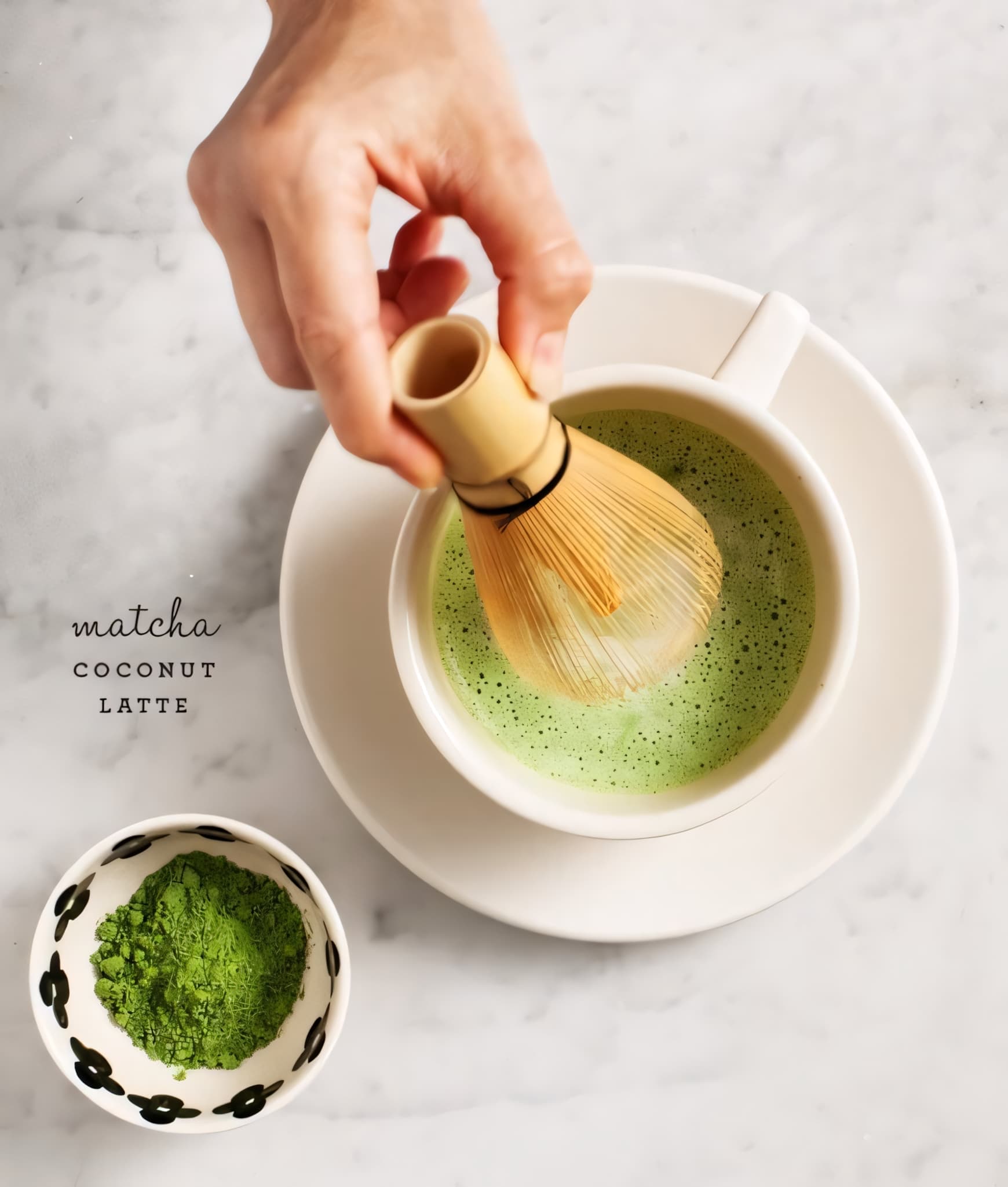
- Bamboo Whisk (Chasen): This traditional whisk is crucial for achieving that signature frothy top and breaking up clumps, ensuring a smooth, lump-free matcha base.
- Tea Sifter: A small, fine-mesh strainer is essential for sifting matcha powder, removing any clumps before whisking. This is a game-changer for a silky-smooth latte.
- Milk Frother: While optional, a small handheld milk frother (often under $10-20) can elevate your latte experience by creating luxuriously frothed milk, adding that professional café touch. Alternatively, you can vigorously shake warm milk in a jar or use a French press.
- Saucepan or Milk Steamer: For heating your milk to the ideal temperature.
Step-by-Step: How to Make Matcha Green Tea Latte at Home
Now that you have your ingredients and equipment ready, let's dive into the simple yet precise steps on how to make a matcha green tea latte that will impress even the most discerning palates.
- Sift Your Matcha: This crucial first step prevents a gritty texture. Measure ½ to 1 teaspoon of ceremonial grade matcha powder and sift it directly into your matcha bowl (or a regular mug if you don't have a chawan) using a tea strainer. Sifting ensures a smooth, clump-free base.
- Whisk the Matcha Base: Add ¼ cup of hot water, heated to between 175°F-185°F (just below boiling), to the sifted matcha powder. Using your bamboo whisk (or a small, regular whisk), adopt a "W" or "M" pattern motion. Whisk vigorously for about 30 seconds to combine the ingredients thoroughly and begin creating a frothy consistency.
- Bloom for Flavor & Texture: Allow the matcha mixture to "bloom" for 1-2 minutes. This brief pause gives the powder time to fully hydrate and deepen its flavor. After blooming, whisk rapidly once more, ensuring any remaining tiny clumps are broken down and you achieve a smooth, vibrant green paste with a light layer of foam.
- Prepare Your Milk: While your matcha is blooming, gently heat 1 cup of your chosen milk in a saucepan over medium heat until it's steaming but not boiling. If you have a milk frother, now is the time to use it! Froth the milk until it's wonderfully airy and bubbly. If you don't have a frother, you can vigorously shake the warm milk in a lidded jar for 30-60 seconds to create foam.
- Combine and Enjoy! Pour your frothed milk directly over the whisked matcha base. If using a sweetener, stir it in gently now. For an extra touch of elegance, you can dust a tiny pinch of matcha powder on top. Sip and savor your perfectly crafted, café-quality matcha green tea latte!
Pro Tips for an Unforgettable Matcha Experience
Elevate your matcha latte from good to extraordinary with these expert insights:
Temperature Precision
The water temperature for whisking matcha is vital. Too hot (boiling), and it can scorch the delicate tea leaves, resulting in a bitter taste. Too cold, and the powder won't dissolve properly, leading to a weak flavor. Aim for 175°F-185°F. If you don't have a thermometer, simply bring water to a boil and then let it sit for 2-3 minutes before adding it to your matcha.
Mastering the Whisk
The "W" or "M" motion with your bamboo whisk isn't just for show. It's designed to incorporate air, creating that signature frothy layer and ensuring a perfectly dissolved, lump-free matcha. Whisk from your wrist, not your arm, using quick, short strokes. The more vigorously you whisk, the richer the foam.
Creative Customizations
- Iced Matcha Latte: For a refreshing twist, prepare your matcha base as described, then pour it over ice. Top with cold frothed milk and your preferred sweetener.
- Flavor Boosts: Experiment with a dash of vanilla extract, a pinch of cinnamon, or even a tiny amount of ginger for an added layer of flavor.
- Adjust Sweetness: Always taste your latte before adding more sweetener. Matcha's natural earthiness pairs wonderfully with a subtle touch of sweetness, but too much can overpower its delicate notes.
Remember, practice makes perfect! The more you make your own matcha lattes, the more intuitive the process will become, and the better you'll get at fine-tuning it to your personal preferences.
Conclusion
Mastering how to make a matcha green tea latte at home is an incredibly rewarding experience. Not only do you gain a delightful, sustained energy boost without the coffee crash, but you also open the door to a world of rich flavors and antioxidants. With a bit of practice and attention to detail, you can easily create a café-quality drink that nourishes both your body and your spirit. So, ditch the expensive coffee shop runs and embrace the art of homemade matcha – your taste buds and energy levels will thank you!
