Easy Matcha Latte Recipe: Your Jitter-Free Energy Boost at Home
We’ve all been there: that dreaded afternoon slump, where another cup of coffee promises energy but often delivers only jitters and an inevitable crash. What if there was a vibrant, delicious alternative that offered sustained focus and a gentle lift without the unwelcome side effects? Enter the matcha green tea latte – a creamy, earthy, and slightly sweet indulgence that has quickly become a beloved ritual for many.
Originating from Japan's rich ancient tea ceremony traditions, matcha has gracefully transitioned into a modern café favorite. But you don't need to splurge at an expensive coffee shop to enjoy this emerald elixir. In this comprehensive guide, we'll walk you through how to make matcha green tea latte at home, transforming simple ingredients into a sophisticated, health-boosting beverage that rivals any barista-made creation.
Unlike regular green tea, matcha involves consuming the entire tea leaf, meticulously ground into a fine powder. This unique preparation method means you're ingesting a concentrated dose of antioxidants, vitamins, and minerals, along with a stunning emerald color that makes every sip an experience. Get ready to discover the simple secrets to crafting your perfect, jitter-free energy boost right in your own kitchen.
The Magic of Matcha: Why It's Your New Go-To Energy Drink
Beyond its striking appearance and delicious taste, matcha offers a wealth of health benefits that set it apart from other caffeinated beverages. Understanding these advantages can deepen your appreciation for this ancient superfood.
- Sustained, Jitter-Free Energy: This is arguably matcha's most celebrated benefit. While matcha does contain caffeine (typically less than coffee), it also boasts a unique amino acid called L-Theanine. L-Theanine promotes a state of relaxed alertness, counteracting the potential jitters and anxious feelings often associated with caffeine. The combination of caffeine and L-Theanine results in a steady, sustained energy release that lasts for hours, without the sharp peak and crash that often follows coffee consumption. If you're curious about how matcha stacks up against your daily brew, dive deeper into Matcha vs. Coffee: The Healthier Way to Sustain Your Energy.
- Antioxidant Powerhouse: Matcha is packed with catechins, particularly EGCG (epigallocatechin gallate), a powerful antioxidant. Antioxidants help protect your cells from damage caused by free radicals, contributing to overall health and potentially reducing the risk of chronic diseases.
- Enhanced Focus and Calm: The L-Theanine in matcha isn't just about sustained energy; it also enhances alpha brain waves, which are associated with a state of calm, improved focus, and mental clarity. This makes matcha an excellent choice for studying, working, or simply finding a moment of peaceful concentration.
- Rich in Nutrients: Because you consume the entire tea leaf, matcha delivers a higher concentration of beneficial compounds, including vitamins A and C, potassium, and iron, compared to traditionally steeped green tea.
With its earthy notes, subtle sweetness, and creamy texture, a matcha latte isn't just a drink; it's a mindful moment, a daily ritual that nourishes both body and mind.
Essential Ingredients & Tools for Your Matcha Masterpiece
To truly master how to make matcha green tea latte at home, having the right ingredients and a few key tools makes all the difference. Don't worry, you won't need an elaborate setup, but these essentials will elevate your latte from good to extraordinary.
The Ingredients: Quality Matters
- Matcha Powder: This is the star of the show, so invest wisely.
- Ceremonial Grade Matcha: For lattes, ceremonial grade is highly recommended. It's made from the youngest tea leaves, resulting in a brighter color, finer texture, and a smoother, less bitter taste. Avoid matcha that appears dark, murky green, or brownish – this often indicates lower quality or oxidation. Look for a vibrant, emerald green hue. While it might seem pricier (expect to pay around $25-40 for a good tin), a little goes a long way, and the superior flavor is worth it.
- Quantity: ½ to 1 teaspoon per serving, depending on your desired strength.
- Water: The unsung hero.
- Temperature: Use hot, but not boiling, water. The ideal range is 175°F-185°F (80°C-85°C). Boiling water can burn the delicate matcha, resulting in a bitter taste. If you don't have a temperature-controlled kettle, boil water and then let it sit for a minute or two before using.
- Quantity: ¼ cup (60ml) for whisking the matcha.
- Milk: Creaminess is key!
- Plant-Based Milks: Oat milk is a fantastic choice, known for its natural sweetness and ability to create a wonderfully creamy, frothy texture. Almond milk and soy milk are also popular dairy-free options.
- Dairy Milk: If you prefer dairy, whole milk or 2% milk will also froth beautifully and provide a rich base.
- Quantity: 1 cup (240ml) per serving.
- Sweetener (Optional): Customize to your taste.
- Liquid Sweeteners: Maple syrup, agave nectar, or honey (if not vegan) blend seamlessly.
- Granulated Sugars: If using cane sugar or coconut sugar, ensure it dissolves fully in the hot matcha paste or warm milk.
The Essential Tools: Your Barista Toolkit
- Matcha Sifter/Tea Strainer: Absolutely crucial. Sifting eliminates any clumps in the matcha powder, preventing a gritty texture and ensuring a smooth, lump-free paste.
- Matcha Bowl (Chawan): While not strictly necessary, a traditional matcha bowl has a wide base that makes whisking easier and helps develop a beautiful froth. A small, wide-mouthed bowl or mug will also work.
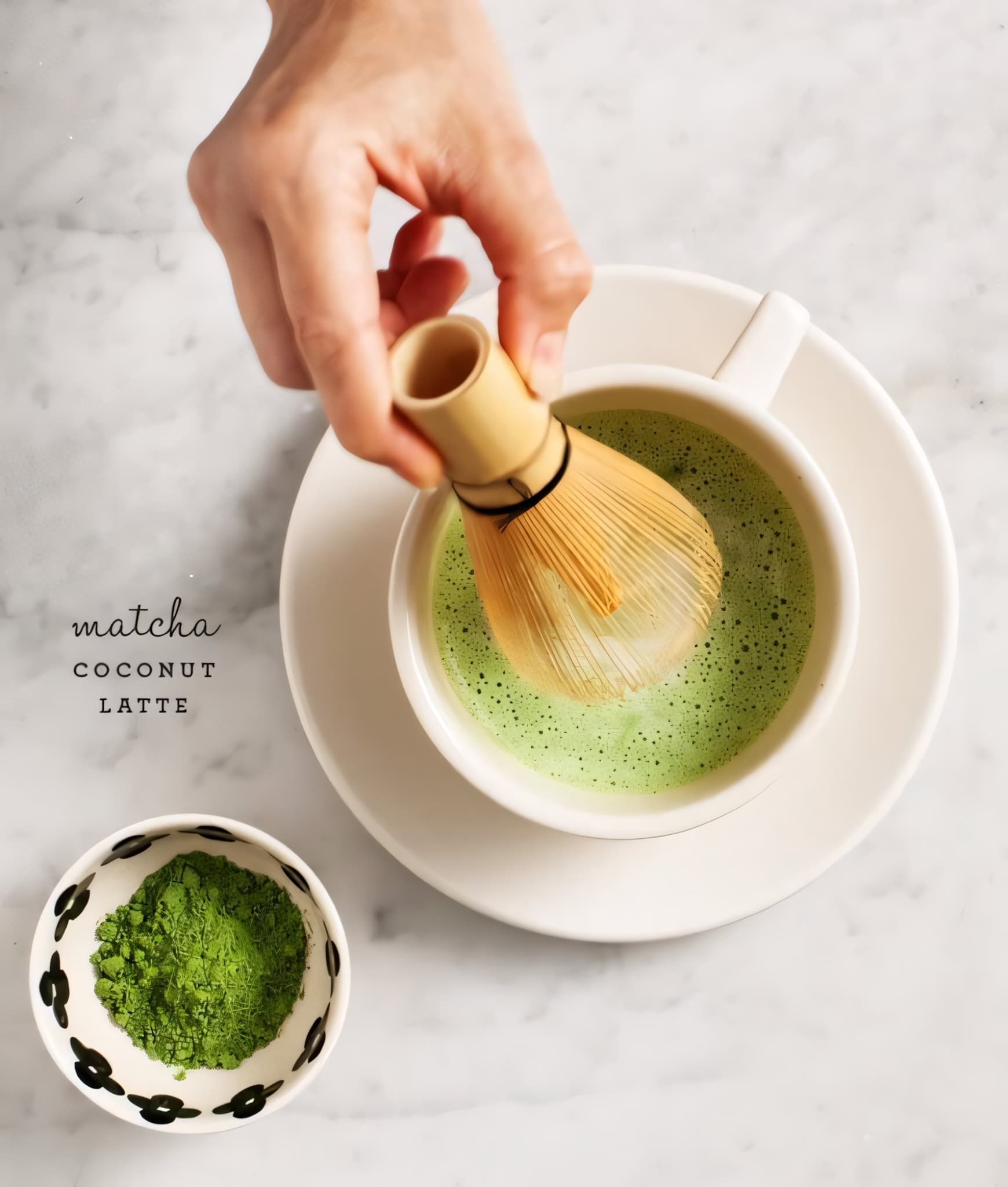
- Bamboo Whisk (Chasen): This traditional tool is designed to break down matcha clumps and create that signature frothy top. Its delicate bamboo prongs are far more effective than a spoon or conventional whisk.
- Milk Frother: For that café-quality foam.
- Handheld Electric Frother: Inexpensive and incredibly effective for quickly frothing milk directly in your mug or a small pot.
- Steam Wand: If you have an espresso machine, its steam wand will create the best microfoam.
- French Press: A low-tech method; pump warm milk in a French press to create foam.
- Small Saucepan: You can simply heat the milk gently on the stovetop if you prefer not to froth it.
Your Step-by-Step Guide: How to Make Matcha Green Tea Latte at Home
Ready to unlock the secret to that perfectly creamy, vibrant matcha latte? Follow these simple steps for a truly exceptional experience. This is the core of how to make matcha green tea latte perfectly every time!
- Sift the Matcha: Place your fine-mesh tea strainer or matcha sifter over your matcha bowl. Measure ½ to 1 teaspoon of ceremonial grade matcha powder and sift it directly into the bowl. This step is non-negotiable for a smooth, lump-free latte.
- Add Hot Water: Pour ¼ cup (60ml) of hot water (heated to 175°F-185°F / 80°C-85°C) over the sifted matcha powder.
- Whisk to Create Paste: Immediately begin whisking with your bamboo whisk (chasen). Use a rapid "W" or "M" pattern motion, pressing down lightly to break up any remaining tiny clumps. Continue whisking until you have a smooth, vibrant green paste with a thin layer of foam on top. This usually takes about 30 seconds to a minute.
- Allow to Bloom (Optional but Recommended): Let the matcha mixture sit for 1-2 minutes. This allows the powder to fully hydrate and deepen its flavor. After blooming, give it another quick, vigorous whisk for 10-15 seconds to ensure it's perfectly smooth and frothy.
- Prepare Your Milk: While your matcha is blooming, gently heat 1 cup (240ml) of your chosen milk. If using a frother, heat it just until warm enough to drink but not scalding (around 140°F-150°F / 60°C-65°C is ideal). Froth the milk until it's light, airy, and creamy, with a nice layer of foam.
- Sweeten (if desired): If you’re adding a liquid sweetener like maple syrup, you can stir it into the warm milk or directly into the matcha paste before combining.
- Assemble Your Latte: Pour the frothed, warm milk into your serving mug. Then, carefully pour the whisked matcha paste over the milk. The vibrant green will contrast beautifully with the creamy white foam.
- Serve and Enjoy: Take a moment to admire your creation, then sip and savor your homemade, jitter-free energy boost!
Elevate Your Latte: Tips for a Café-Quality Experience
Now that you know the basics of how to make matcha green tea latte, let's explore some tips and tricks to make your homemade creation truly shine and compete with your favorite coffee shop.
- Adjust Matcha Strength: Don't be afraid to experiment with the amount of matcha powder. If you prefer a stronger, more intense flavor, go for a full teaspoon. For a milder taste, start with ½ teaspoon.
- Perfect Your Foam:
- Temperature is Key: Milk froths best when heated to around 140-150°F (60-65°C). Too cold, and it won't froth; too hot, and it can burn, resulting in an unpleasant taste and thin foam.
- Technique: When using a handheld frother, move it just below the surface of the milk to incorporate air, then plunge it deeper to create a smooth, velvety texture.
- Sweetener Variations: Explore beyond maple syrup! A dash of vanilla extract can add a warm, comforting note. A pinch of cinnamon or nutmeg stirred into the milk can also complement matcha's earthy profile beautifully.
- Iced Matcha Latte: For a refreshing twist, simply whisk the matcha paste as directed. Then, fill a glass with ice, pour in your cold milk (and sweetener, if using), and finally, pour the whisked matcha over the top. Stir well before enjoying.
- Layering for Aesthetics: For that Instagram-worthy layered look, pour the frothed milk into your cup first, then slowly drizzle the whisked matcha paste over the back of a spoon held just above the milk surface. This creates a distinct separation between the green matcha and the white milk.
- Clean Your Whisk Properly: After each use, rinse your bamboo whisk gently under warm water and allow it to air dry on a whisk holder (chasen holder) to maintain its shape and prolong its life. Never put it in the dishwasher.
- Matcha Storage: Keep your matcha powder in an airtight container in a cool, dark place (like the refrigerator) to preserve its vibrant color and fresh flavor. Exposure to light, air, and heat can degrade its quality quickly.
For even more expert advice and advanced techniques to achieve barista-level results, check out our guide on Crafting the Perfect Matcha Latte: Pro Tips for Café Quality.
Sip Your Way to Sustained Serenity
Mastering how to make matcha green tea latte at home is more than just learning a recipe; it's about embracing a mindful ritual that nourishes your body and calms your mind. With just a few simple ingredients and tools, you can consistently create a creamy, delicious, and jitter-free energy boost that perfectly suits your taste.
Whether you're looking for a healthier coffee alternative, a moment of peaceful focus, or simply a delightful beverage to brighten your day, the homemade matcha latte is an accessible luxury. So, whisk up a cup, take a deep breath, and savor the sustained serenity that only a perfect matcha latte can provide.
